Your team

Meet the Angle Reduction Team

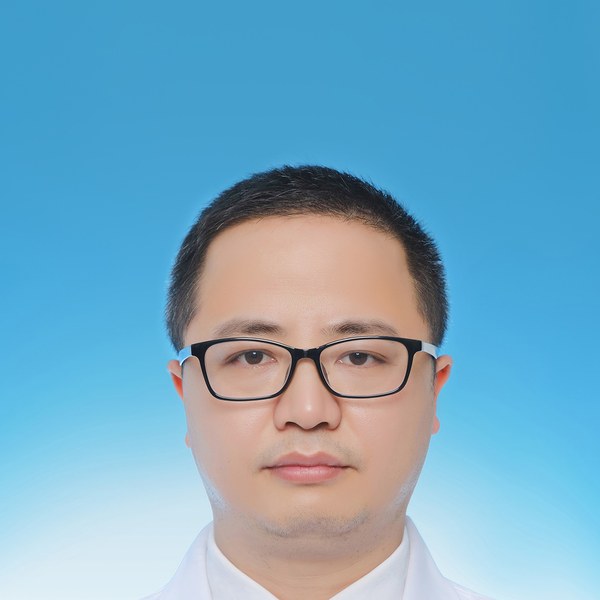
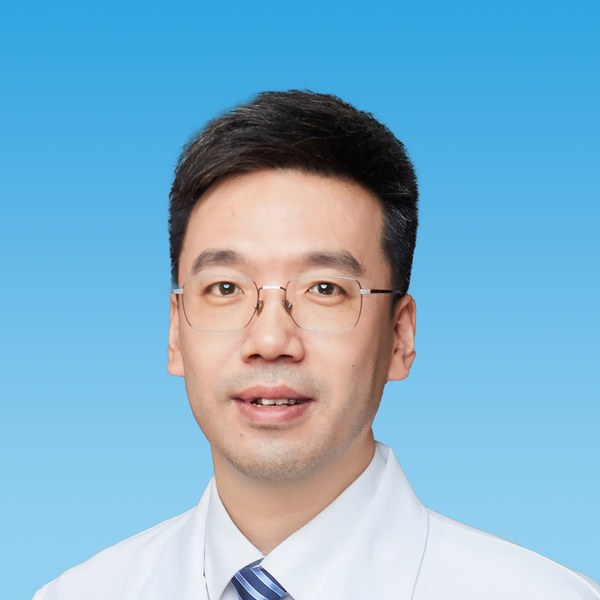
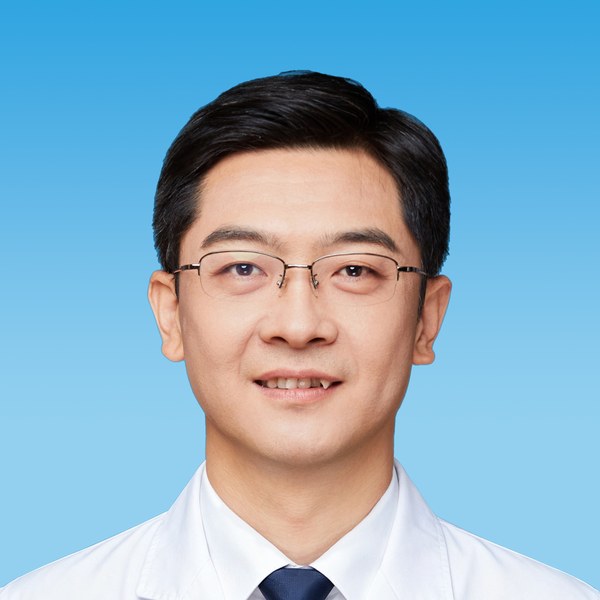
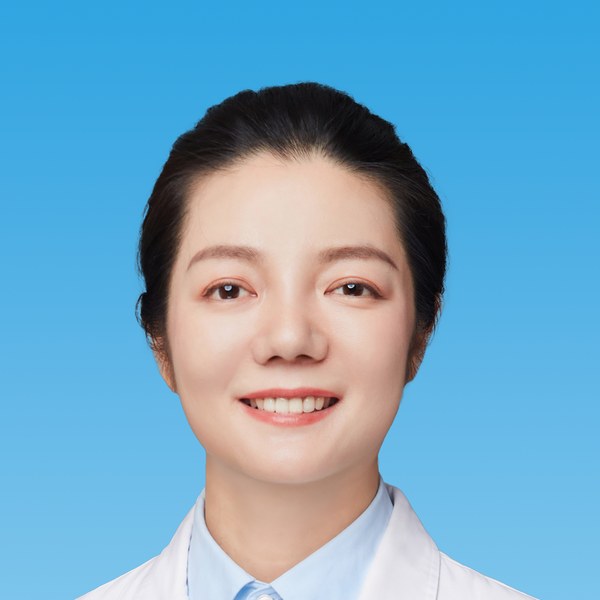
The Plastic Surgery & Aesthetics Medical Center at Chongqing West District Hospital is led by four consultants working inside a tertiary general hospital. Tongchun Mao, MD, is responsible for the medical review of this site and holds the operative half of the decision, including which part of the angle is reduced and where the cut has to stop. Dr. Shaoliang Wang holds the complex and previously operated cases, including revision after over-reduction. Dr. Ke He provides the assessment of what a non-surgical route could change, including where the masseter is contributing to the width, and Dr. Yongbo Jia assesses the dental and soft tissue health that an operation through the mouth depends on.

Specialist profiles

Who reviews this content

Tongchun Mao

Tongchun Mao (毛彤春)

Deputy Director & Head of Aesthetic Surgery · Vice Chief Physician, Licensed Aesthetic Attending · Lead Physician of This Site

Mandibular angle resection · planning around the canal that carries the nerve to the chin · the masseter reattachment and the width that can return

Dr. Tongchun Mao is an aesthetic surgeon at Chongqing West District Hospital, where he is Deputy Director and Head of Aesthetic Surgery in its Plastic Surgery & Aesthetics Medical Center and the responsible physician for this site. He personally performs more than 700 operations a year, within hospital standards of assessment, anaesthesia and follow-up.

His assessment for an angle resection begins with the two structures the operation is built around rather than with the amount of narrowing the patient hopes for: where the canal carrying the nerve to the chin runs through the mandible, and how much bone would remain around it after the planned cut. He establishes which part of the angle is producing the width, because reducing the outer cortex and reducing the corner are different operations, and he plans the conservative end of what the imaging allows. He tells every patient before consent that numbness of the chin and lower lip is expected, that the swelling hides the width for months, that the masseter reattaches and can thicken again, and that a further reduction is possible while a reversal is not.

Clinical focus

  • Locating the canal that carries the nerve to the chin before any cut
  • Deciding whether the cortex, the corner, or both are the target
  • Where the vessels supplying the face run, and how the plan avoids them
  • The masseter reattachment and why width can partly return
  • Treating the amount removed as a fixed limit rather than a target

Two structures decide the plan, not the shape you asked for

How much of an angle can be removed is set by where the canal carrying the nerve to the chin runs inside the mandible, and how close the operation can safely come to the vessels that supply the face. A plan built from a desired width rather than from those two findings is a plan that can end in permanent numbness or in a bleed in the floor of the mouth. The measurement comes first, and it frequently produces an amount smaller than the patient expected.
Shaoliang Wang

Shaoliang Wang (王韶亮)

Director, Plastic Surgery & Aesthetics Medical Center · Vice Chief Physician, Associate Professor, Doctor of Medicine

Center leadership and multidisciplinary case review

Dr. Shaoliang Wang is Director of the Plastic Surgery & Aesthetics Medical Center at Chongqing West District Hospital. Within the team he provides the surgical perspective and the tertiary-hospital backstop — the assessment when an operation is the honest answer, and the hospital-level care for the rare complication that needs it.

Within the team, Shaoliang Wang contributes to the shared assessment of cases on this site.

Clinical focus

  • Center leadership and multidisciplinary case review
  • Surgical assessment when an operation is the honest answer to descent or excess skin
  • Hospital-based care for the rare complication that needs theatre-level management
Ke He

Ke He (何锞)

Deputy Director & Head of Skin & Laser Aesthetics · Attending Physician, Licensed Aesthetic Attending

Device and injectable assessment before any treatment plan

Dr. Ke He is Deputy Director and head of skin and laser aesthetics within the Plastic Surgery & Aesthetics Medical Center at Chongqing West District Hospital. Within the team her role is the device and injectable assessment, and the honest referral when a problem needs an operation rather than a needle.

Within the team, Ke He contributes to the shared assessment of cases on this site.

Clinical focus

  • Device and injectable assessment before any treatment plan
  • Staged planning judged against standardised photographs
  • Honest referral when a problem needs an operation rather than a needle
Yongbo Jia

Yongbo Jia (贾勇波)

Deputy Director & Head of Dermatology · Vice Chief Physician, Licensed Aesthetic Attending

Medical skin assessment behind injectable treatment plans

Dr. Yongbo Jia is a dermatologist within the Plastic Surgery & Aesthetics Medical Center at Chongqing West District Hospital. Within the team his role is medical skin assessment — diagnosing and managing pigment and barrier conditions, and treating skin that a device or an injection has irritated.

Within the team, Yongbo Jia contributes to the shared assessment of cases on this site.

Clinical focus

  • Medical skin assessment behind injectable treatment plans
  • Diagnosis and management of pigment and barrier conditions
  • Dermatologic care of skin after irritation or a delayed reaction

Start by finding out where the safe limit is

Arrange an assessment. We will establish which part of the angle is producing the width, what the imaging shows about how much can safely be removed, and where the nerve and the vessels that supply the face run in your case.

Contact the Team